Topic
Human Behavior
7 pieces on Human Behavior. Browse the full Journal.

Feature
Culture Is Caught, Not Taught: Why Leading by Example Shapes Security
This article explores how culture shapes security through everyday behavior and social learning. It explains why people mirror the shortcuts and good habits they see, how social proof influences workplace security, and why leading by example is one of the most powerful tools in governance, risk, and compliance. Readers will learn how small choices create lasting cultural signals that strengthen or weaken security.

Feature
Why Familiar Feels Safe (and Isn’t)
This article explores why familiarity can create hidden security risks. It explains how normalcy bias and the gambler’s fallacy trick us into trusting what looks routine, and how attackers exploit that trust. Readers will learn why familiar does not mean safe and how a simple pause can prevent costly mistakes in governance, risk, and compliance practices.
Feature
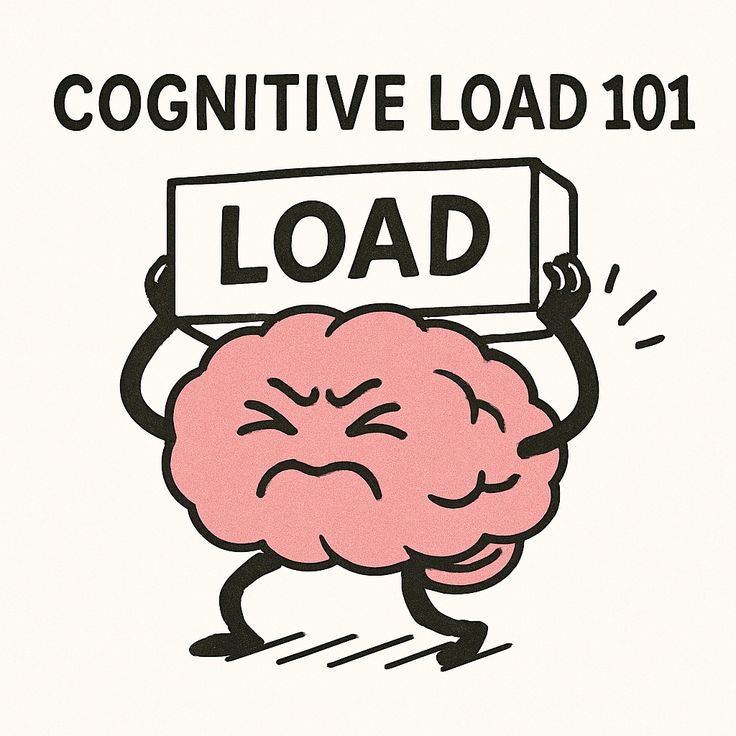
Cognitive Load and Security Fatigue: Why Simplicity is a Risk Control
When security and compliance processes become too complex, people cut corners. This post explores how cognitive load and security fatigue undermine GRC controls, and how simpler steps, smarter defaults, and better guardrails can strengthen resilience.

Feature
Make Reporting Normal: A Psychological Safety Playbook for GRC
Making reporting normal is one of the most effective ways to prevent risks from growing into incidents. This post shows how psychological safety empowers employees to speak up, why silence is dangerous for GRC, and how a simple “See it. Say it. Sorted.” mindset can strengthen organizational resilience.

Feature
The Psychology Behind Security
Most security breaches do not begin with a hacker breaking through code. They start with a person making a quick decision that opens the door. This article explores how psychology shapes those decisions through cognitive biases, stress, messaging, and everyday habits. You will see how these mental shortcuts can work for or against you, and learn practical steps to protect yourself and your organization by understanding how the mind influences security.

Feature
From Awareness to Action: Rethinking the Human Role in Cybersecurity
This post challenges the long-held idea that people are the weakest link in cybersecurity. Instead of focusing solely on awareness training or technical controls, it explores how secure behavior is shaped by the environments we create. Drawing from psychology and GRC principles, it offers a fresh perspective on how to design systems that make secure actions easier, more natural, and more likely.
Feature
Why People Break Rules Even When They Know Better
Why do people break rules even when they know better? This post explores the psychology of noncompliance in the workplace, looking at decision fatigue, friction bias, social influence, and poor system design. It offers practical ways organizations can support better behavior by removing barriers, encouraging good habits, and creating compliance systems that work with human nature rather than against it.